
Customers these days are more inclined towards experiences. They look for omnichannel customer experience at different touchpoints. Your website, mobile apps, social media channels, and physical stores should deliver the same experience to customers.
An amazing omnichannel customer experience strategy doesn’t just happen by accident. It’s a thoughtful process, powered by the integration of technology. Customer experience specialists can help you with this strategy. Keep reading to learn more!
Introduction to Omnichannel Customer Experience
You should be well aware of omnichannel CX before you deliver it to your customers on all fronts. We will explain what omnichannel customer experience is along with its business imperative. Let us begin!
What Is Omnichannel Customer Experience?
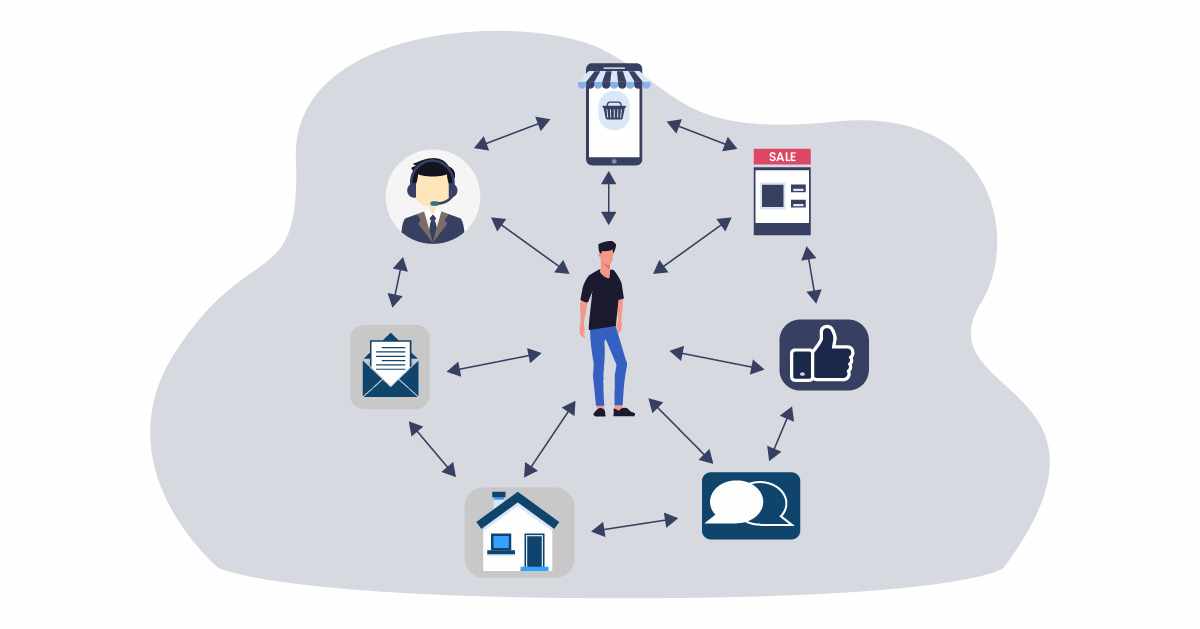
Omnichannel Customer Experience (Omnichannel CX) is the process of delivering consistent and personalized experiences to your customers across different touchpoints. This experience should be delivered on offline and online platforms to satisfy your customers.
Unlike a traditional multichannel experience, where channels operate in silos, omnichannel CX focuses on integration, continuity, and context. Every interaction builds upon the previous one, regardless of where it takes place.
Why Omnichannel Customer Experience Is a Business Imperative
Businesses need to move towards building seamless omnichannel journeys, as it has become essential. Your customers will expect you to deliver seamless experiences on all fronts. A slight derailing can lead to bad consequences.
Customers are more likely to stay loyal to your brand if you can offer unified customer touchpoints. Focusing on this aspect will help you retain customers and drive positive experiences. Customers will:
Return for repeat purchases
Spend more overtime
recommend your brand to others.
Core Principles of Omnichannel Customer Experience Strategy
Before we move towards tips for building the strategy, we need to understand the core principles of a successful omnichannel strategy. Here is a list:
1. Customer-Centricity
No matter what, you should always put your customers first. Your omnichannel CX strategy will never succeed if you avoid preferring your customers. You better design experiences around customer needs, emotions, and behaviors. The strategy should look like this:
Understanding customer goals at every stage
Anticipating needs before customers express them
Removing friction instead of adding steps
Creating joyful, intuitive interactions
When you truly listen to your customers and place them at the center of your decisions, everything else becomes clearer. It also ensures channel consistency across different touchpoints.
2. Continuity and Context
You should never start from scratch. Customers will never like to repeat themselves, as it frustrates them. Continuity and context ensure that:
Conversations flow smoothly across channels.
Customer history travels with them
Interactions feel informed and intelligent.
This principle is essential for building seamless omnichannel journeys that feel effortless rather than exhausting.
3. Channel Integration
The success of omnichannel CX strategies depends on integrated channels working together. This goes beyond surface-level connectivity. True integration involves:
Unified customer data
Shared insights across departments
Aligned messaging and branding
Consistent service quality
When channels are deeply connected, you create cross-platform journeys that feel cohesive and natural.
Effective Tips to Build an Omnichannel CX Strategy
It is the practical part, where you can learn how to build an effective omnichannel CX strategy. Here are a few tips for you:
1. Identifying Customer Needs
Not being able to realize your customers’ wants and their respective peculiar needs would imply that you would never be able to offer a nice experience. This is the way of finding customer needs from various channels:
Customer surveys and interviews should be conducted
Feedback from reviews and support tickets should be analyzed
Social media conversations should be monitored
Behavioral analytics should be leveraged
Voice-of-customer (VoC) programs should be used
Knowing the reasons, the difficulties, and the needs will enable you to create the type of experiences that are regarded as fitting.
2. Mapping the Customer Journey
If you want to visualize cross-channel customer experience, you should map customer journeys. It will help you see how your customers move between different channels and touchpoints. A successful customer journey map can help you see:
Where friction occurs
Which moments matter most
Where opportunities for delight exist
Journey mapping is especially valuable for ensuring channel consistency and eliminating disconnected experiences.
3. Understanding Customer Behavior
Your customers will always behave differently on different channels. The only thing that remains consistent is their intention. You should be smart enough to understand these behavioral changes and patterns for designing an effective omnichannel CX. Key Behavioral Insights to Track:
Preferred channels for research vs. purchase
Mobile vs. desktop behavior
Response to personalization
Engagement timing and frequency
Support interaction trends
By analyzing behavior holistically, you gain clarity on how customers navigate cross-platform journeys.
4. Building a Unified Customer Data Strategy
Data is the engine behind omnichannel success. Without a unified customer data strategy, omnichannel experiences quickly fall apart. What Unified Customer Data Enables:
Single customer view across all channels
Personalized messaging in real time
Context-aware customer support
Smarter decision-making
Unified data is the foundation of unified customer touchpoints and truly personalized experiences.
5. Personalization at Each Touchpoint
Customers always prefer personalized experiences. It allows you to transform great experiences into amazing ones. Your customers would love if you called them by their name and understood their unique needs. Effective omnichannel personalization includes:
Personalized product recommendations
Contextual messaging based on behavior
Channel-specific content optimization
Consistent personalization across devices
When done right, it significantly enhances omnichannel CX and deepens emotional connections with your brand.
Create Experiences Customers Truly Love!
Building a winning omnichannel customer experience strategy is a journey. You need to invest time and effort into understanding your customers and their needs. It would be best to visit the website https://enginecxdesign.com/ and seek help from CX experts on this front.







Write a comment ...